
Phone: (435) 628-4411
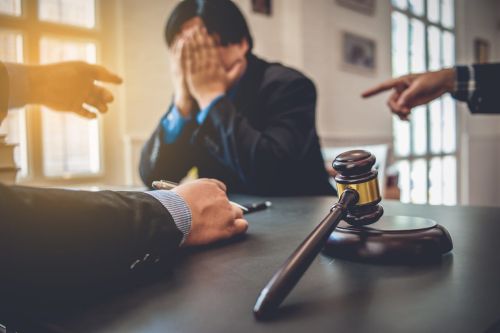
Obstruction of justice is a serious crime that carries harsh penalties. Utah prosecutors take cases of obstruction of justice seriously and prosecute them aggressively. Defenses are available, but these cases can be complicated, and the stakes are high. In the majority of cases, people are charged with obstruction of justice because law enforcement officers believe they have information about a crime or know who committed a crime. Unfortunately, there are also situations in which law enforcement agents threaten someone with charges of obstruction of justice in an effort to coerce them into testifying for the prosecution.
The crime of obstruction of justice in Utah involves any action that is intended to hinder, prevent, or delay the investigation, apprehension, prosecution, conviction, or punishment of another person who may have committed a crime. Under Utah Code section 76-8-306, actions that may constitute obstruction of justice include:
The law applies equally whether the person being protected is an adult or a juvenile. To be convicted, the prosecution must prove, beyond a reasonable doubt, that the defendant intended to hinder a criminal investigation. A person cannot be convicted of obstruction of justice if their actions simply happened to impede an investigation.
The nature and severity of the crime of obstruction of justice often depend on the underlying criminal offense. Someone who hinders the investigation of a more serious offense faces harsher penalties if they are convicted of obstruction of justice.
Criminal charges for obstruction can range from a Class A misdemeanor to a second-degree felony.
A conviction for obstruction of justice requires proof beyond a reasonable doubt that the defendant intended to hinder, prevent, or delay the investigation, apprehension, prosecution, conviction, or punishment of another person who may have committed a crime. It is a viable defense for a defendant to claim they did not realize that their actions impeded a criminal investigation.
There is a critical distinction between an act that is intended to obstruct justice and a simple lack of action. Individuals are not typically required to aid an investigation or answer questions from law enforcement officers unless ordered by a judge. You may have grounds to challenge a charge of obstruction of justice if you were arrested because you chose not to speak with investigators about an alleged criminal offense.
Criminal charges for obstruction are serious and should not be taken lightly. Terry Law is among the best law firms in the state and has decades of experience defending individuals charged with crimes in Utah courts. We provide the time-tested advice, guidance, and advocacy that only an experienced law firm can offer. Contact our law office today to schedule a confidential appointment to discuss your situation and how we can assist you.


© 2026 Terry Law, Attorneys PLLC
 Share
Share