
Phone: (435) 628-4411
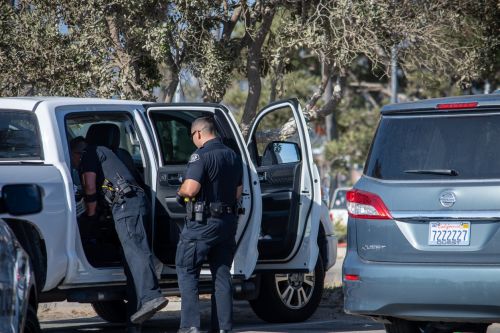
The lights flash in your rearview mirror. You stop the vehicle and hand over your license and registration. Then the police officer asks, “Mind if I look inside your vehicle?”
You may be wondering, “can police search my car in Utah?” Most people do not know their rights in this situation. Some say yes because they feel they have no choice. Others refuse and watch the police search their vehicle anyway. Whether the search was lawful and can be used against you in court depends on several factors.
The Fourth Amendment to the U.S. Constitution protects people against “unreasonable searches and seizures” and requires that police have “probable cause” to obtain a warrant. However, your car does not receive the same level of protection as your home. Courts have identified several exceptions that let police search your vehicle without a warrant. Understanding them is key to protecting your rights.
Under the Fourth Amendment, police generally need a warrant based on probable cause to search a vehicle. However, courts have recognized various exceptions to the warrant requirement. It is these exceptions, rather than the warrant requirement itself, that are at issue in most searches after a traffic stop. The warrant exceptions that most commonly apply in vehicle searches after a traffic stop are the automobile exception, voluntary consent, search incident to arrest, and inventory search after impound.
When it comes to the question, “can police search my car in Utah?” It's important to understand the automobile exception. Courts have upheld warrantless searches of vehicles on the basis that a person has less of an expectation of privacy in a vehicle than in their home, and because vehicles are mobile and can be used to remove contraband from the scene of a crime.
Utah follows the federal rule allowing warrantless vehicle searches when probable cause exists. In State v. Despin (2007), a Utah appellate court upheld a warrantless search of a vehicle where police officers had probable cause based on the totality of the circumstances, including the driver’s behavior and his attempts to keep officers from accessing the vehicle.
Unlike some states, whose rules regarding warrantless searches of a vehicle have shifted due to the legalization of marijuana, Utah courts have long held that the odor of marijuana coming from a vehicle justifies a search of a vehicle without a warrant. However, if a search based solely on the odor of marijuana turns up something else entirely with no evidence of marijuana found, the basis for the search can be challenged. See, State v. Wright (1999).
In State v. Baker (2010), the Utah Supreme Court ruled that police officers cannot extend a traffic stop to wait for a drug dog unless they have independent reasonable suspicion that drugs are present in the vehicle. The rule was adopted nationwide by the U.S. Supreme Court in Rodriguez v. United States, 575 U.S. 348 (2015).
There are some situations where a search can be conducted without a warrant and not constitute an unlawful vehicle search. Police do not need a warrant or probable cause if the driver or a passenger with authority over the vehicle verbally agrees to the search. The scope of the search is limited to what a reasonable person would understand was agreed to.
Under Arizona v. Gant, 566 U.S. 332 (2009), police can search a vehicle without a warrant after arresting an occupant only if it is reasonable to believe that person might access the vehicle during the search or if it is reasonable to believe the vehicle contains evidence of the crime they were arrested for.
After a vehicle has been lawfully impounded, police can conduct an inventory search under standardized department procedures to document its contents. An inventory search is conducted separate from any suspicion of criminal activity. Any evidence found during the inventory search can lawfully be used in court.
If you are questioning, “can police search my car in Utah?” and believe the search was illegal, a skilled defense attorney can challenge evidence obtained from an unlawful vehicle search. They can also seek to have it excluded from consideration in court.
If you are stopped on suspicion of a crime:
Determining whether a search was valid often comes down to the specific details of the arrest. The exact wording of the police officer’s questions and your response can mean the difference between an unlawful vehicle search and one that was legally valid. This information can only be preserved if you write it down as soon as possible after the arrest.
Whether an unlawful vehicle search was conducted depends on the specific facts of the situation and whether it falls within a specific exception to the warrant requirement. A search and seizure attorney at Terry Law can evaluate your situation and defend you against drug crime charges.
Terry Law provides the time-tested advice, guidance, and advocacy that only an experienced criminal defense law firm can offer. Contact our law office today to schedule a confidential appointment to discuss your situation with our criminal defense lawyer and how we can assist you.


© 2026 Terry Law, Attorneys PLLC
 Share